
Choosing a Green Mango Puree Sourcing Partner
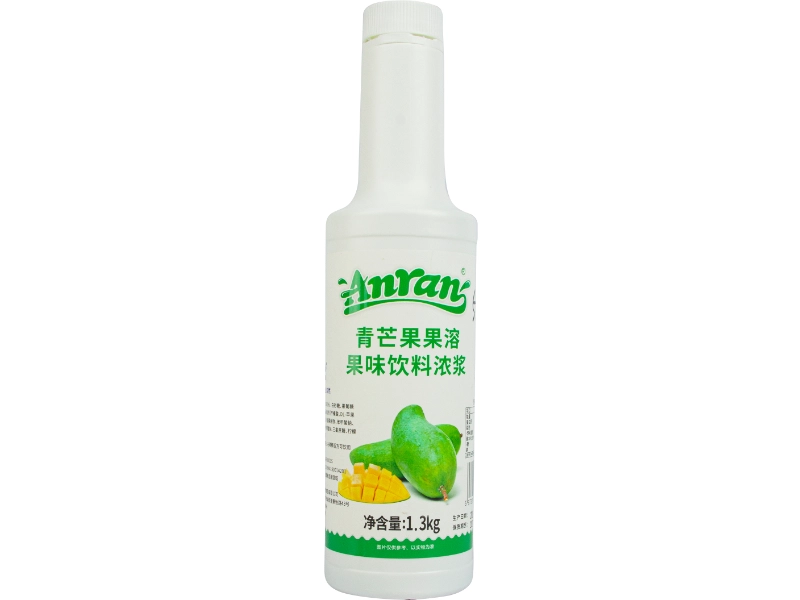
Choosing a sourcing partner is a document exercise long before it is a taste test. Any green mango puree supplier can post a sample; far fewer can send a lot-level COA that agrees with the label it ships under. This guide walks the five criteria that separate a dependable green mango puree manufacturer from a trading desk, using a ready-to-use ambient puree packed 1300 g to the bottle with a 12-month shelf life as the worked example.
The direct answer
What a Sourcing Partner Actually Delivers
Five criteria decide your shortlist: spec integrity, batch-to-batch consistency, MOQ fit, OEM or private-label capability, and lot documentation. What arrives is a ready-to-use ambient green mango puree packed 1300 g to the bottle, shelf life 12 months, stored somewhere cool and dry away from direct sunlight, made by Dongguan Anran Food Co., Ltd. in Guangdong, China. Everything below is evidence for one of those five criteria.
Spec integrity
The declared sheet, the label and the delivered lot all say the same thing.
Batch consistency
Ask for a tolerance band between lots, never a single headline number.
MOQ fit
Can you trial a pallet layer, or is the entry ticket a full container?
OEM / private label
Ask whether the plant mixes to your spec or only to its own catalogue spec.
Lot documentation
COA per batch, a named factory, and an origin you can trace back.
Document literacy
Reading a Puree Spec Sheet Without Getting Fooled
A marketing spec sheet and a lot-level COA are different documents. The spec sheet tells you what the range is capable of; the COA tells you what is actually inside the drum or bottle that shipped to you. Ask for both, and ask which one the QC team signs.
| Field | What to ask | What a vague answer sounds like |
|---|---|---|
| Juice content % | Is this the declared formulation figure or a typical-batch figure, and what solids make up the rest? | “It’s basically all fruit.” |
| Brix (°Bx) | What is the target, and what tolerance band applies between lots? | “Around the usual level for mango.” |
| pH | Is pH controlled deliberately, and what is the accepted range on release? | “We test it, it’s fine.” |
| Viscosity | Measured how, at what temperature, with what instrument? | “It pours well.” |
| Net weight / pack | Net versus gross, and the actual unit weight on the label. | “One bottle is about a kilo.” |
| Packaging format | Bottle, pouch, drum — and the closure and liner material. | “Standard export packing.” |
| Shelf life | From production date or from delivery date? | “Long enough.” |
| Storage condition | The exact wording that goes on your warehouse label. | “Keep it somewhere cool.” |
| Country of origin | Fruit origin and manufacturing origin — they are often different. | “Asian origin.” |
| Named manufacturer | The legal entity on the carton, not the trading brand on the website. | “We have our own factory.” |
The Three-Field Contradiction Test
Three fields on a spec sheet contradict each other more often than any others: the declared colour, the declared product category, and the declared ingredient list. If the colour does not describe the fruit, or the category belongs to a different product family, or the ingredients cannot produce the stated juice content, you are looking at a copied product format rather than a controlled document. Ask for the lot COA. A supplier who can resolve all three fields on one page is telling you more about its QC culture than any brochure paragraph can.
Category comparison
Ambient Puree, Frozen Puree, Concentrate or Jam
Before comparing factories, decide which format you are actually buying. The four options below are scored on the same six criteria, and each one is the right answer for somebody.
| Criterion | Ambient guorong puree | Frozen puree | Concentrate | Fruit jam |
|---|---|---|---|---|
| Batch consistency | Stable when the plant controls the mix and ships a COA with each lot | Good, but any break in the cold chain resets your baseline | Highest concentration, so small dosing errors show up fast in the cup | Formulated for spread and texture rather than drink balance |
| Storage burden | Ambient, cool and dry, no freezer footprint | Requires an unbroken frozen chain end to end | Ambient and compact | Ambient |
| Typical MOQ | Usually set by pallet layer or full pallet | Often higher, because cold-chain freight has its own minimum | Frequently the most flexible entry point | Mid-range |
| Lead time | Shortest when stock is held locally | Longest: production plus reefer booking | Varies with custom blending | Short |
| OEM / private label | Depends on whether the plant blends to your spec or only to its catalogue | Fewer plants offer private-label runs | Private-label blending is common | Common |
| Cost per serving | Falls as juice content rises only if your dose per drink stays controlled | Adds freezer and freight cost per serving | Lowest per gram, but needs dosing discipline | Low, though you also pay for pectin and sugar |
You are rolling a menu across many stores with dry storage and a bar team that needs zero prep steps.
You have a validated frozen chain and want a shorter, colder supply model all the way to the cup.
Warehouse space is tight, freight is expensive, and your team already doses by weight or pump.
You are building toppings, desserts and layered drinks rather than clear fruit teas.
Due diligence
The 12-Question Vetting Checklist
Send these twelve questions before you send a purchase order. Written answers back are worth more than a price list, because they show you how the plant thinks about its own process.
- 1What is the MOQ per SKU?
And does it change if I switch packaging format or bottle size?
- 2Can you send the lot-level COA?
Not the range sheet — the certificate for the batch that would ship to me.
- 3What is your batch-to-batch tolerance?
Ask for the accepted band and the method used to measure it.
- 4Which factory makes the product?
Get the legal manufacturer’s name, address and production licence.
- 5What is the declared juice content?
And what is the complete ingredient list behind that figure?
- 6Do you offer OEM or private-label runs?
Ask about label, bottle and carton customisation and the minimum run per artwork.
- 7What is the lead time from PO to loading?
And is it seasonal or steady across the year?
- 8Which certifications do you hold?
Ask who audits them and when the last audit closed.
- 9What is your sample policy?
Free, paid, or credited against the first order?
- 10How are lots coded?
Can you trace one bottle back to a batch and a production date?
- 11What payment terms and Incoterms apply?
T/T, L/C, deposit ratio, and which port the quote lands at.
- 12What happens if a lot fails my spec?
Replacement, credit note, or a claims process with a clock on it?
Trial protocol
Running a Sample Trial You Can Defend Internally
A sample that only gets tasted tells you almost nothing. Run four steps against a documented baseline and you will have something your menu team and your finance team can both sign off on.
Sensory panel
Blind the sample against your current puree at your standard dose. Score aroma, acidity, green-mango character and finish, then repeat the panel once so you see consistency of opinion, not just of product.
Hold test
Split the bottle: one part at 4 °C, one part at ambient in the dark. The stated storage condition — cool and dry, away from direct sunlight — is your control, not an assumption.
Sugar–acid balance
Build the same drink twice, once with your current puree and once with the trial lot, and hold everything else identical. This is where a ready-to-use format saves you a variable.
Cost per serving
Divide the landed cost per 1300 g bottle by your actual gram dose per drink. That number, not the ex-works price, is the one your category manager will compare.
Warning signs
Red Flags That End a Conversation Early
- Brix drifts between lots
A sweet spot that moves batch to batch means your recipe has to move with it, and your baristas will notice before your review team does.
- No COA, only a range sheet
If a plant cannot produce the certificate for the batch, it is not releasing against a spec — it is describing a capability.
- Spec fields that contradict each other
Colour, category and ingredient list should describe the same product. When they do not, assume the document was assembled rather than controlled.
- Unclear origin
“Asian origin” is not an answer. Fruit origin and the manufacturing origin are two separate declarations, and both belong on your import paperwork.
- No named factory
If every answer is written in the third person, you are talking to a trading desk and will have no one to escalate a failed lot to.
- Price before specification
A quote that arrives before your volume, pack format and target spec does is a number, not an offer.
Scenario to specification
Match the Buying Situation to the Specification
The same product answers four very different briefs. Read down the left column for your situation, then follow the fact and the decision it forces.
Multi-store bubble tea chain
- What the situation demands
- One dose instruction that works identically in fifty stores, with no freezer and no preparation step.
- The fact it maps to
- Ready-to-use ambient puree, 1300 g per bottle, 12-month shelf life, stored cool and dry away from direct sunlight.
- The buyer decision
- Standardise the gram dose per drink, then negotiate on landed cost per bottle — and insist on a COA with every lot so store-level variation stays a training issue, not a supply issue.
Cafe or independent drinks bar
- What the situation demands
- A seasonal drink that can be built on the pass in seconds, in a kitchen with no dedicated cold storage.
- The fact it maps to
- Applications listed for restaurants, cafes and milk tea shops, with bottle packaging suited to a back-bar shelf.
- The buyer decision
- Trial a small quantity first, run a hold test on the opened bottle, and plan reorder timing around the 12-month shelf life rather than buying a year of stock at once.
Retail or household buyer
- What the situation demands
- A pack size that survives normal kitchen use, with clear storage wording on the label.
- The fact it maps to
- 1300 g per bottle and a stated storage instruction: cool and dry, avoid direct sunlight.
- The buyer decision
- Choose the pack size against your realistic usage rate, and store it out of sunlight before opening as well as after.
Importer or distributor
- What the situation demands
- Documentation that clears customs and a supplier you can put on a contract rather than a chat thread.
- The fact it maps to
- A named manufacturer, Dongguan Anran Food Co., Ltd., with a stated address in Dongguan, Guangdong and a place of origin of Guangdong, China.
- The buyer decision
- Request the manufacturing licence, the lot COA product format and the label artwork before quoting your own customers, and confirm MOQ, lead time and Incoterms in writing.
Request for quote
Send These Seven Lines and You Get a Real Quote
A supplier cannot price what it cannot spec. Copy this brief into your enquiry and you will get a comparable offer back instead of a brochure.
- Pack size and packaging format (bottle, pouch, drum)
- Target volume per order and per year
- Required juice content or specification
- Acceptable Brix band, where relevant
- Private-label or standard brand requirement
- Destination port and preferred Incoterms
- Required delivery window
Start with the product, then the brief
Open the Green Mango Guorong Puree page for the current declared specification, then send your requirements through the contact form for pricing, samples and volume terms.
Send Your Requirements View Product SpecificationRelated Products
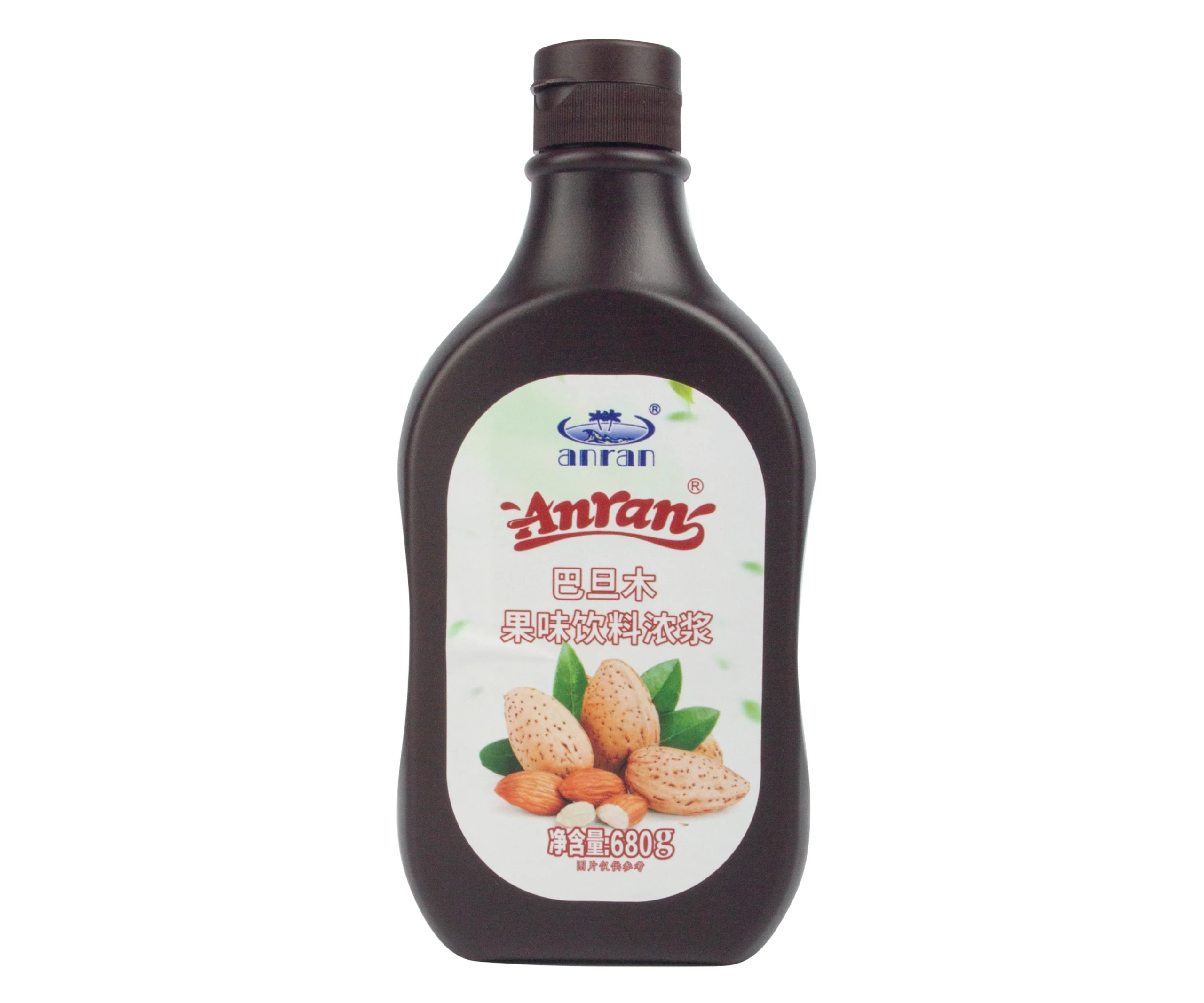
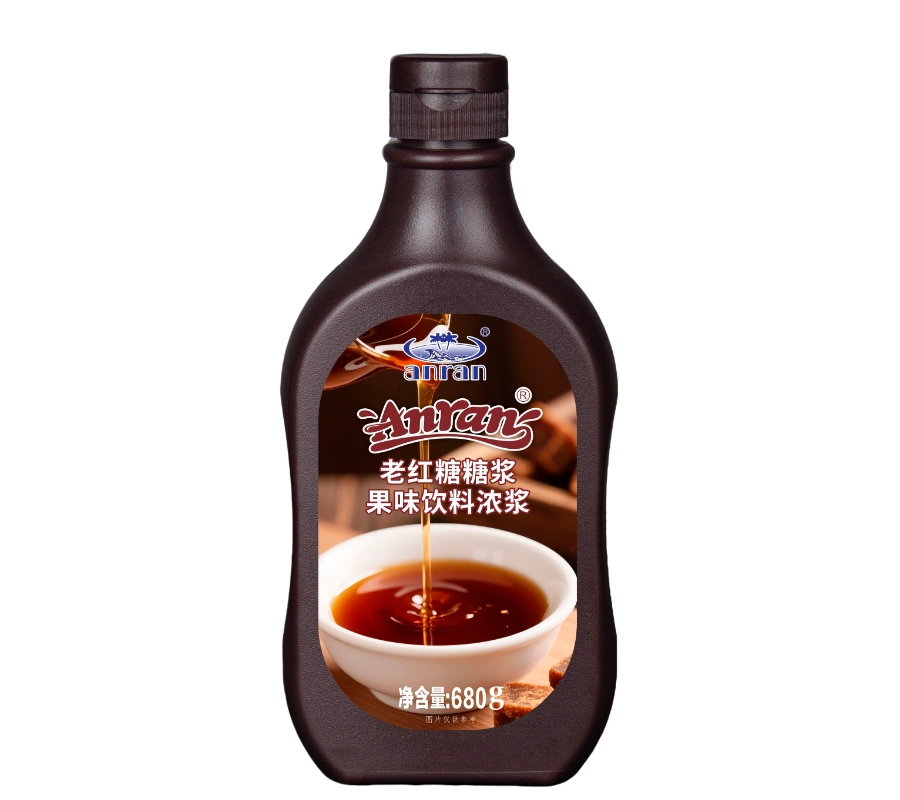
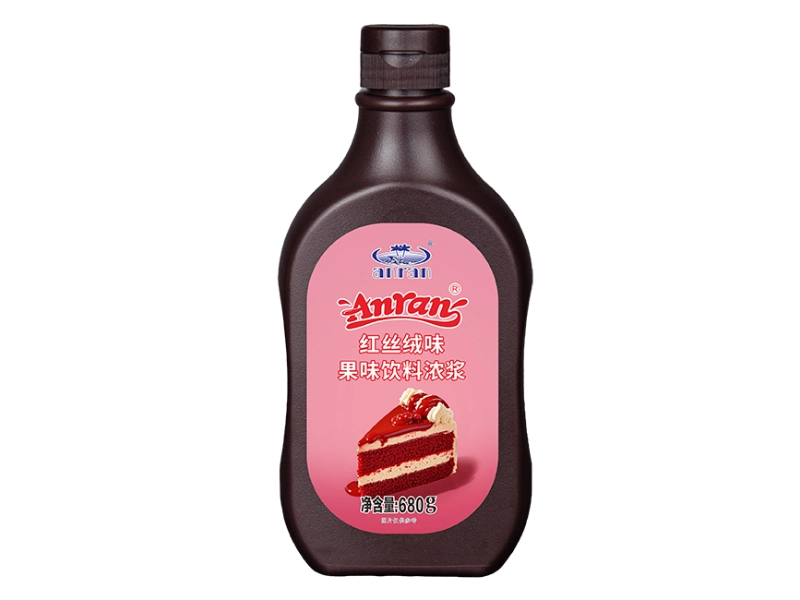
Keep adjacent product options together for a faster catalog comparison.
Frequently Asked Questions
What is green mango guorong puree used for?
It is a ready-to-use green mango puree supplied as a bubble tea raw material. The product page lists applications across restaurants, cafes, milk tea shops and households, which makes it a back-bar ingredient for fruit teas, blended drinks and dessert builds rather than a preparation you dilute on site.
What are the pack size, shelf life and storage requirements?
The declared specification is 1300 g per bottle with a single unit weight of 1.3 kg, a 12-month shelf life, and a storage instruction to keep it in a cool and dry place away from direct sunlight. Plan reorders around that shelf life and your realistic usage rate.
Who manufactures the product and where is it made?
Dongguan anran food co., ltd., based in dongguan, guangdong, is the named manufacturer, and the place of origin is listed as guangdong, china. Ask for the manufacturing licence and the label artwork before your first shipment if you are importing.
What does a stated 80% juice content actually prove?
It describes how much of the formulation is declared as juice. On its own it does not tell you about added sugar and creamer bases, solids content, or how the figure is controlled batch to batch. Treat it as one field on a sheet and ask for the lot coa alongside the full ingredient declaration.
How do i get pricing, samples or a bulk quote?
The product page carries an enquiry path with a contact form covering name, company, phone or whatsapp, business email and message, plus a “get instant quote” section. No price, moq or shipping terms are published, so send volume, pack format, target specification, destination port and delivery window through the contact page and the quote will come back against your brief.
What should i verify before approving the first delivered lot?
Check that the lot coa matches the declared specification, that the batch code on the bottle traces to a production date, and that the declared colour, product category and ingredient list all describe the same product. If any of those three fields disagree with each other, hold the lot and ask for a written explanation before it goes into production.